Conscious Fashion · 2026
Sustainable Fabrics for Fashion in 2026: The Future of Ethical Slow Fashion
A closer look at the fibres reshaping wardrobes through responsible production, thoughtful craftsmanship and enduring style.
Begin reading ↓01
Why Sustainable Fabrics Matter in Modern Fashion
The fashion industry is changing quickly, and the concept of sustainability is now more than a mere fad. By 2026, people will make conscious buying decisions in terms of clothes that they purchase, which would not only showcase their individual style but also have their values reflected in them.
With increased knowledge about fast fashion, there is an increasing number of designers and conscientious brands that are using textile material which not only allows for ethical manufacturing but also ensures high quality.
The Foundation
What Makes a Fabric Sustainable and Ethical?
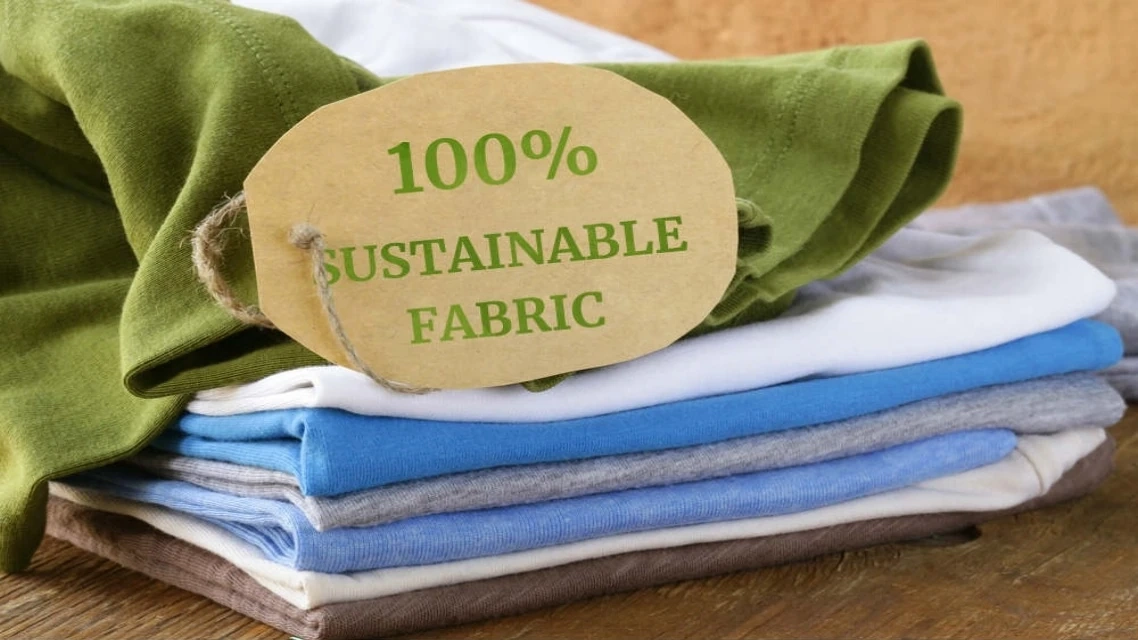
A sustainable fabric is a textile manufactured in an environmentally friendly way which produces minimal waste and uses minimal water and toxic chemicals. It may be biodegradable, renewable or recycled.
However, there is a need to produce beautiful clothes that leave little impact on the planet through each step of the production process.
02
Sustainable Fabric Trends in 2026
01
Organic Cotton
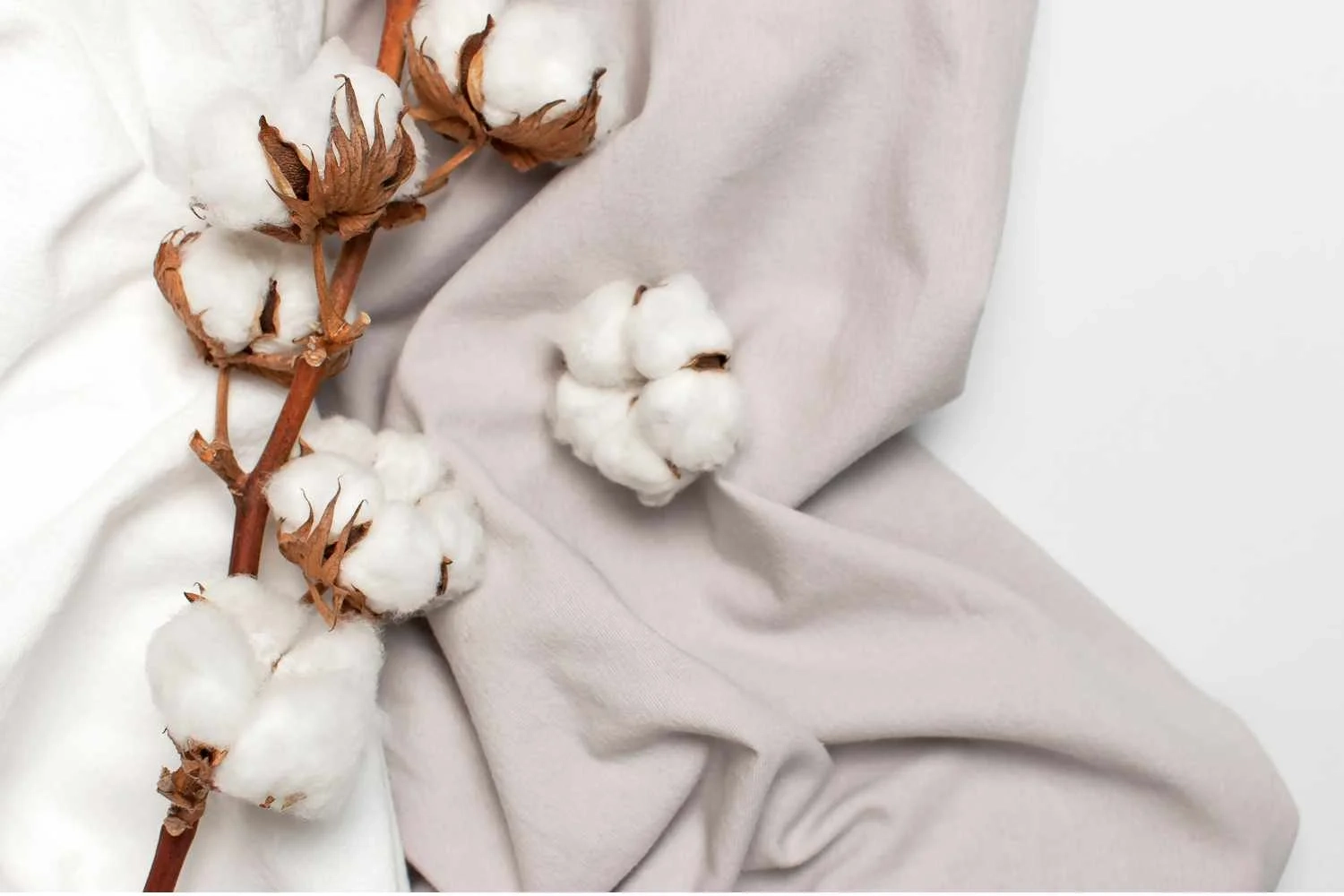
Organic cotton continues to be among the most popular sustainable fabrics. It is cultivated without the use of any dangerous pesticides or synthetic fertilizers. This makes it safe for the environment and the farmers.
02
Linen
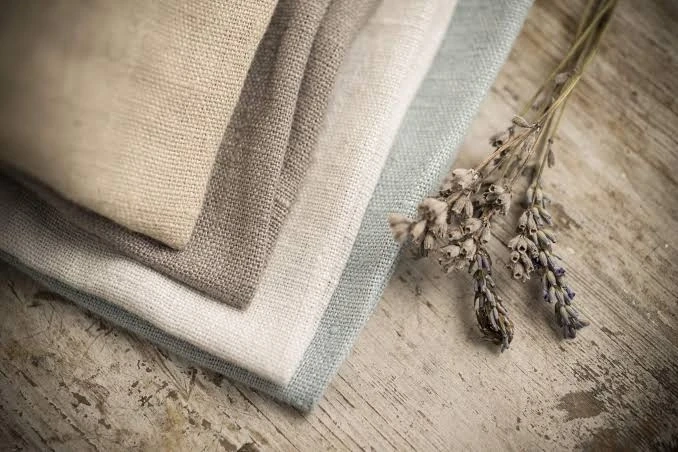
Made from the flax plant, linen uses less water compared to normal cotton fabric. The cool and strong fabric is known to be used for making summer clothes and classic outfits.
03
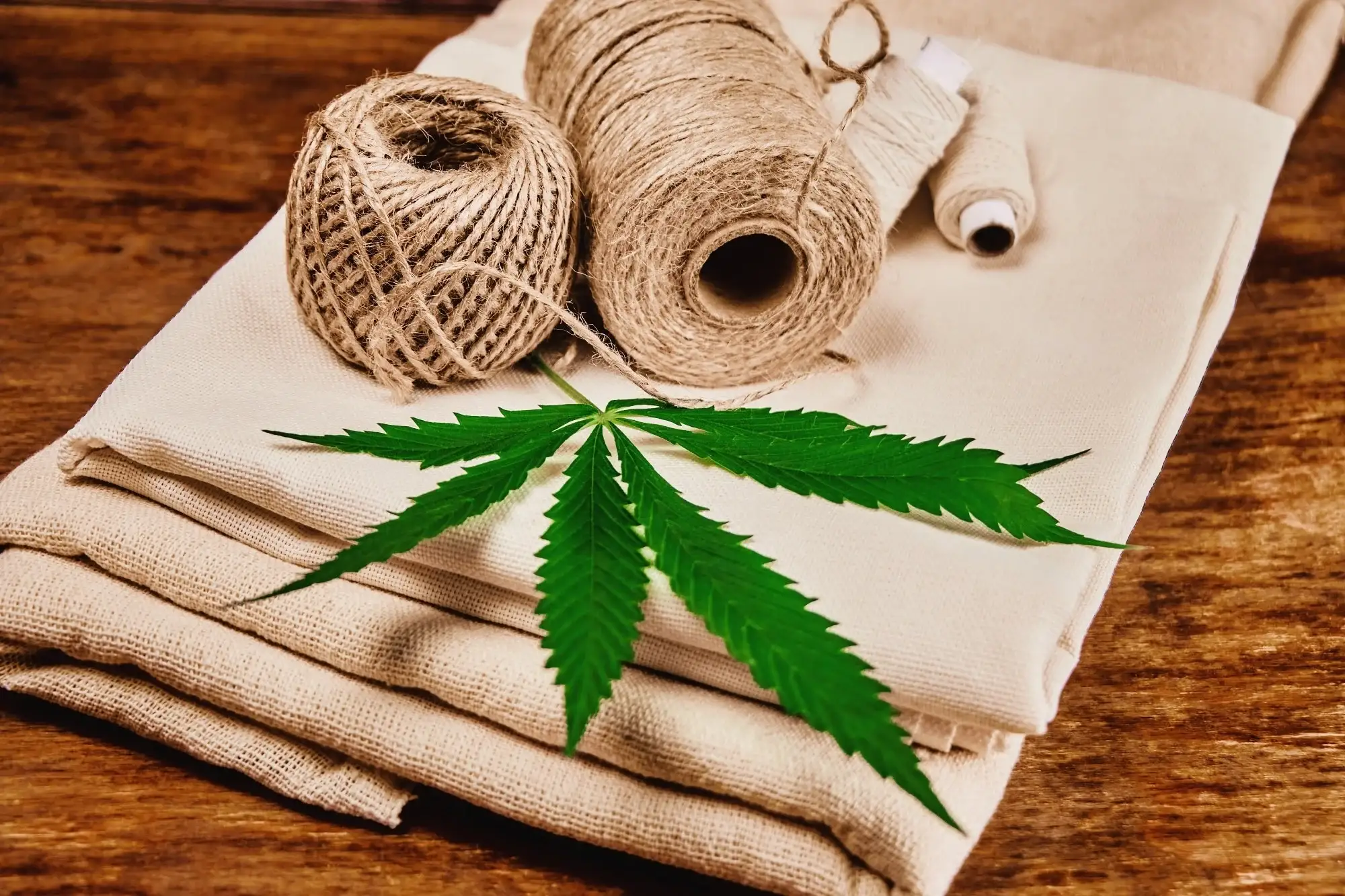
Hemp Cloth
Hemp cloth has been favored in recent times due to its low environmental footprint. The plant is known to grow very fast, use little water, and have pest repellent characteristics. Modern-day hemp clothes are soft and durable.
04
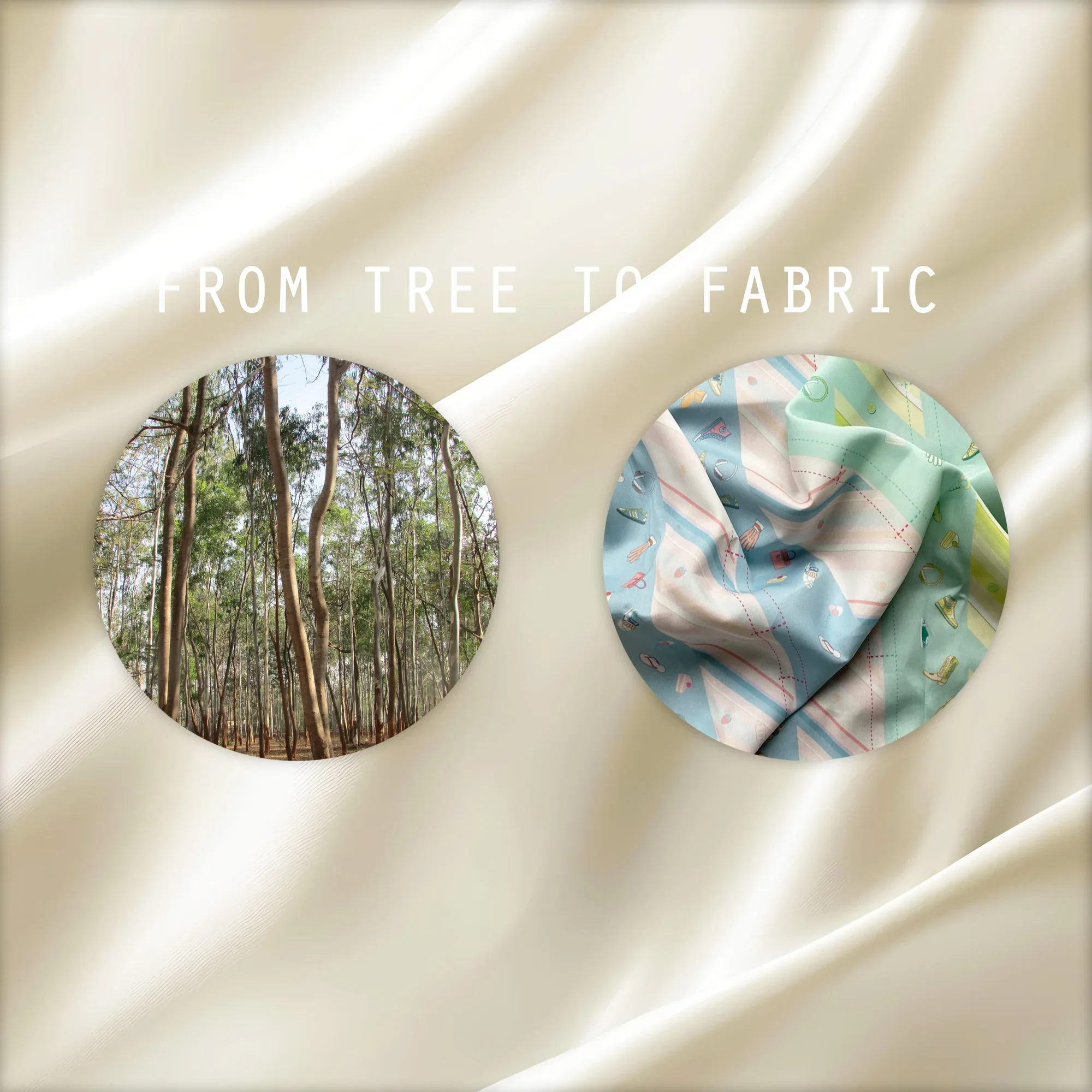
TENCEL™ Lyocell
This fabric is made from sustainable wood pulp and is recognized by its smooth texture and moisture wicking properties. Since it uses closed loop production, this allows water and solvents to be recycled, making it one of the most sustainable modern fabrics.
05
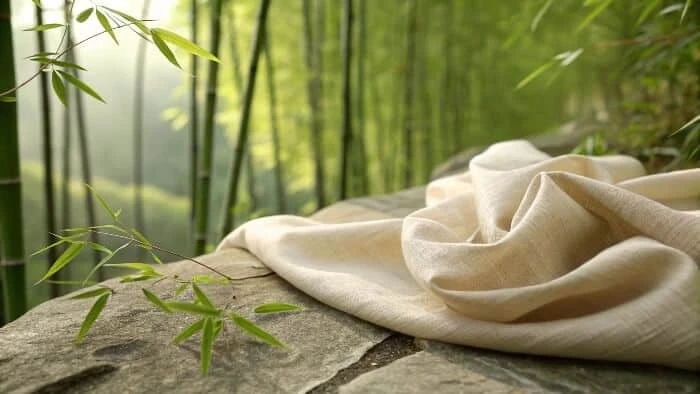
Bamboo Fabric
This fabric, which is processed sustainably, is known for being very soft, breathable, and antibacterial. Bamboo fibers are becoming increasingly popular in cozy, loungewear, and sportswear lines.
03
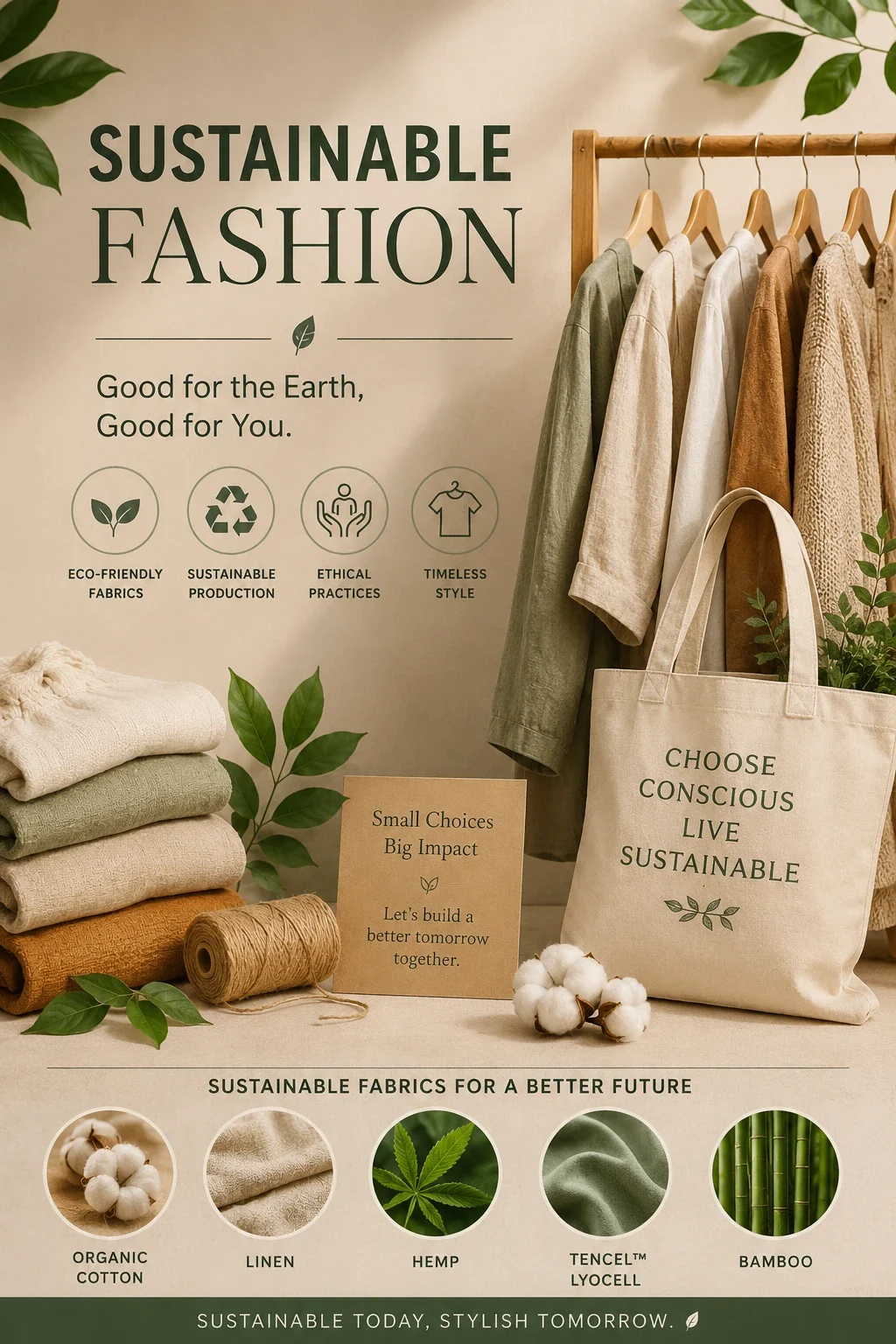
How Sustainable Fashion Supports People and the Planet
Choosing sustainable fabrics is not only good for the planet, but it can also make your clothing more comfortable and durable as well. Sustainability practices ensure that artisanal and textile laborers receive fair wages and working conditions.
Clothes that will last will not require many replacements and will help adopt a more conscious approach to fashion.
04
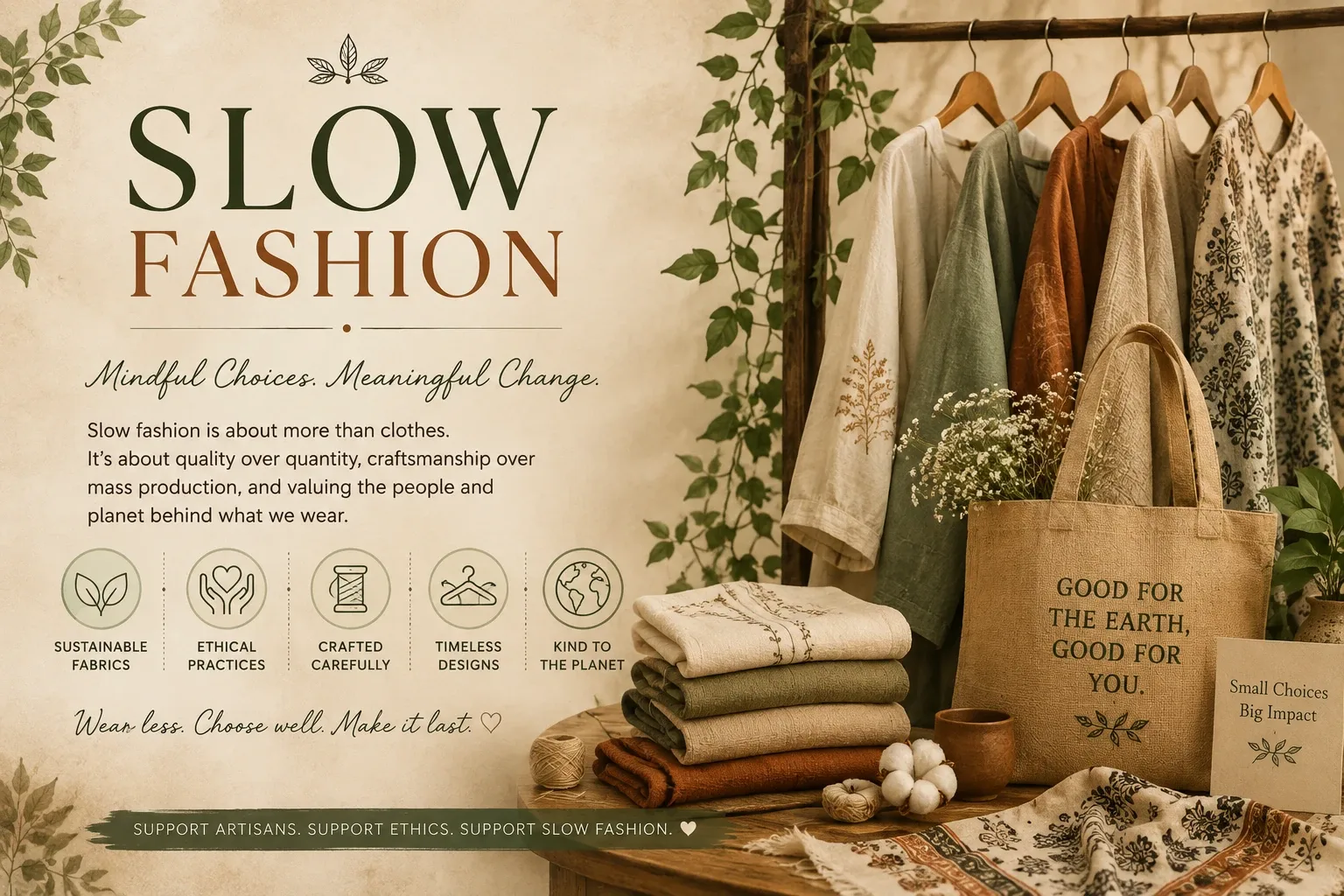
Why Slow Fashion and Handmade Clothing Are Growing in 2026
The slow fashion approach keeps redefining the industry by putting emphasis on quality, craftsmanship, and timeless design rather than manufacturing on a large scale. Designers are working on limited collections that use special materials to convince buyers to purchase clothing they appreciate.
There is growing appreciation of hand-made clothing, natural dyes, and block printing as people want something authentic rather than something numerous.
A Greener Wardrobe
Building a Sustainable, Thoughtfully Designed Wardrobe
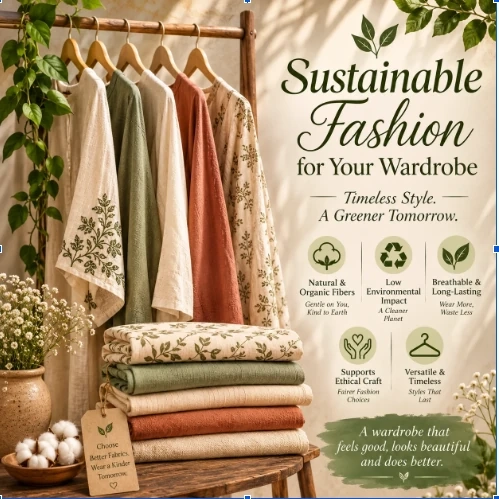
Buying sustainable fashion means looking for natural fabrics, clothes that have been made ethically, and long-lasting pieces.
In choosing brands which value craftmanship and ethical production, one contributes to the sustainability of the fashion industry and its innovations.
05
Conclusion
Sustainable fabrics are the future of the fashion industry in 2026.
In the era of eco-conscious customers, such eco-friendly materials as organic cotton, linen, hemp, bamboo and TENCEL™ have become the basic ingredients of fashion wardrobes. By choosing quality rather than quantity and being an eco-fashion company customer, one makes his world greener and more ethical with every purchase he makes.
Whether you build your capsule wardrobe or buy some handmade clothing items, sustainable fabrics prove that fashion and ecology are two harmonious notions.